

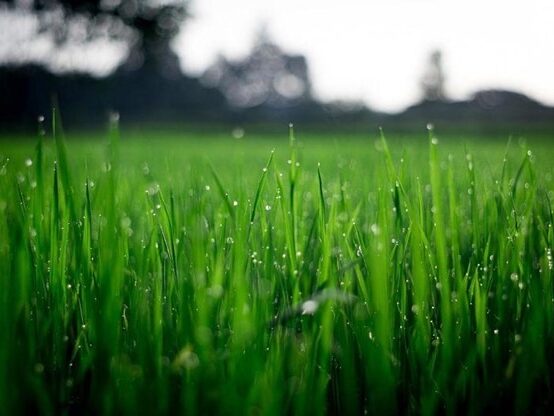
There is a secret to a stunningly green, beautiful lawn. That secret is aeration. Of course, it’s not that simple. Maintaining a beautiful lawn requires the combination of many small tactics and treatments on a regular basis, and at the correct time! That’s why it’s important to trust a professional to get the job done right.
Aeration is very important for keeping your lawn healthy and visually stunning. We are going to take an in-depth look at aeration, when it should be done, how it can help and the signs indicating that your lawn needs to be aerated!
Georgia Lawn Pro has over 20 years of experience in land maintenance and aeration! We can easily identify your grass type and recommend the time of year and frequency with which your grass will benefit from aeration. You can trust us to do what is best for your grass and leave you with the most stunning, flourishing green lawn you’ve ever seen.
When To Aerate Depends on Your Grass Type
How Well Do You Know Your Lawn? While I’m sure you know there are different types of grass, did you know that there are types of grass that thrive in different temperatures and environments? We are referring to cold season grass and warm-season grass. They do have a different look and feel, but you could be forgiven for not noticing the difference. After all, grass is grass, right? Not quite! Grass that is intended for different climates and environments have different growth cycles, different dormancy periods, different resistance to exposure, and the list goes on. This becomes important when it’s time to aerate your lawn!
Cool Season Grass – This type of grass thrives in cooler, more moderate temperatures. It is also much more durable and resistant to harsh winter temperatures
- Best time to aerate? Spring and Fall
Cool-season grass thrives in cooler weather and its growth cycle is actually most active in the more moderate temperatures of spring and fall. This means that the grass will easily recover and regrow after aeration!
Warm Season Grass – This type of grass thrives in the warmth of peak summer months, and can become dormant when exposed to winter temperatures.
- Best time to Aerate? Summer
Warm-season grass experiences the most growth in the summer months. Therefore, it will easily recover after being aerated, growing, and filling in the freshly vacated ground.
As a general rule, aim to aerate your lawn two weeks before the final fertilization of the year and allow five to six weeks before the first frost, giving your grass plenty of time to recover.
Benefits of Aeration
There is an incredible list of benefits to getting your lawn aerated! The simple action of excavating small cores of dirt offers so many opportunities for growth. The most obvious of which is increasing the amount of water, nutrients, and oxygen that is allowed to reach greater depth in the soil, meaning they actually get used instead of becoming runoff that is washed away.
The second most important benefit is that aeration creates room for growth. Over time, soil can become so compact that grassroots actually struggle to grow. Aeration reduces the density of the soil, providing nutrient-rich channels for the roots to grow and flourish. Below is a list of additional benefits:
- Generate activity of organisms that breakdown surface thatch
- Preventing fertilizer and pesticide to be removed from your lawn due to surface water run-off on an overly compacted soil.
- Your lawn grows in thicker because the roots have the space to grow and breathe.
- A thicker lawn is more resistant to weeds and intrusive species of plant
Aeration helps fill in patchy lawns much faster
How do I Know When My Lawn Needs to be Aerated?
We recommend seasonal aeration regardless, the best offense is a good defense right? Why wait until your lawn is exhibiting visual signs of poor health? That being said, there are a series of visual cues that can tell you if your lawn needs to be aerated. If your lawn begins to look flat, lifeless and the grass is lacking a robust feel, it could be an indication your lawn isn’t getting the proper hydration and growth environment. Below is a small checklist of indications:
- Your lawn is often walked on, causing the grass to look sparse, unhealthy
- Your lawn exhibits signs of being ‘compact’ or trodden down
- The soil under your lawn is heavy with clay (water-resistant and easily compactable)
- Patches form and have trouble filling in
- Weeds and invasive plants prosper more than your grass
- A visibly dense thatch layer
Why you Should Only get Plug Aeration!
There are two main kinds of aeration, spike, and plug aeration. You should only ever get Plug aeration, that is very important! Plug aerators have hollow pegs that punch into the ground and remove a small soil ‘core’ that is then left on the lawn. Spike Aerators are exactly as the name implies, a solid piece of metal that pierces the ground but doesn’t extract any soil. Instead, it actually makes the ground around the holes even more compact.
Plug Aerators relocate the soil to the surface of your lawn, allowing the topsoil to settle and reduces tension on the roots. This creates the optimal growing conditions for your grass and allows for proper nutrient turnover, refreshing the top layer of your soil.
Do you Have More Questions About Aeration?
The professionals at Georgia Lawn Pro are happy to answer any and all questions you may have about lawn aeration or our other lawn maintenance services. If you recognize any of the indicators that your lawn is in need of aeration, call us today to speak to a member of our team for an estimate! Be sure to mention our website to receive 10% off of your next lawn service!